Concrete Driveway Setup In Tempe AZ
Concrete driveway setup in Tempe, AZ, provides a useful option for house owners looking for durability and aesthetic appeal. The process involves careful preparation and layout alternatives that can boost the total appearance of a residential property. With various styles readily available, home owners can develop a distinct entry to their homes. Yet, understanding the installment process and maintenance demands is important for maximizing the advantages. What variables should one think about prior to making this financial investment?
Benefits of Concrete Driveways
Concrete driveways offer numerous advantages that make them a preferred option for homeowners. One remarkable benefit is their toughness; concrete can withstand heavy lots and resist deterioration far better than numerous various other products. This durability translates to reduce upkeep expenses with time, making concrete a cost-effective choice. Additionally, concrete driveways are much less susceptible to cracking compared to asphalt, particularly in severe weather.
Aesthetic versatility is an additional benefit, as concrete can be marked, discolored, or tinted to match different home styles. This permits homeowners to customize their driveways to boost aesthetic charm. Furthermore, concrete is environmentally pleasant, as it can be made from recycled products and has a reduced carbon footprint compared to various other leading alternatives. Concrete driveways give exceptional traction, lowering the risk of slides and falls, making them a secure choice for family members.
The Installation Process
Mounting a concrete driveway involves numerous essential actions that assure a resilient and aesthetically pleasing outcome. At first, the site has to be prepared by getting rid of any kind of vegetation, particles, or existing sidewalk. Next, excavation is conducted to attain the wanted depth, normally in between 4 to 6 inches, protecting correct water drainage. When the area is leveled, a base layer of crushed rock is included to improve stability.
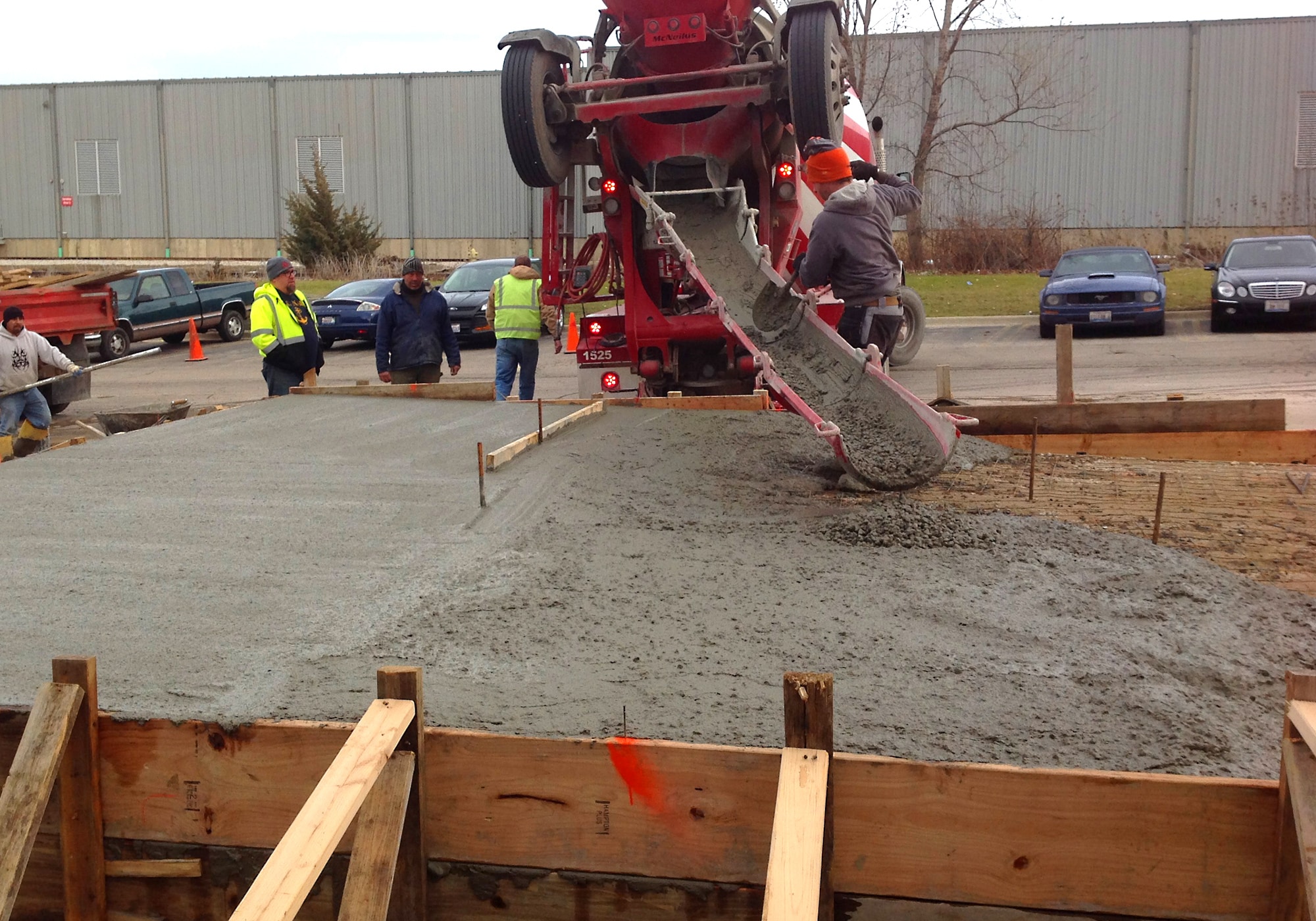
Following this, the setup of types, normally made from timber or steel, describes the driveway's form. Concrete is after that blended and put right into the forms, calling for cautious progressing and smoothing to assure an also surface. Appropriate healing is necessary, so the concrete is frequently covered to maintain wetness throughout the preliminary setting period, which lasts several days.
Growth joints are added to stop fracturing, and once totally healed, the driveway is ready for usage. Each step is important to achieving a solid, long-lasting concrete driveway
Choosing the Right Style
Exactly how does one pick the best style for a concrete driveway? The selection process begins with reviewing the building's total aesthetic appeals. House owners ought to think about the building design of their home and the bordering landscape. Popular selections include stamped concrete, which imitates all-natural materials like rock or brick, and exposed accumulation, supplying a distinctive finish.
Next, functionality plays a vital duty. The layout needs to accommodate automobile web traffic while providing adequate water drainage to prevent water merging. In addition, shade options can enhance the driveway's aesthetic allure; lighter tones mirror warm, while darker hues can include sophistication.
Budget plan restrictions ought to be analyzed. Customized layouts might incur higher prices, while conventional patterns can be extra cost-effective. By very carefully balancing aesthetic appeals, capability, and price, home owners can reach a concrete driveway style that complements their home and satisfies their demands.

Maintenance Tips for Durability
While having an attractive concrete driveway boosts a home's visual charm, normal maintenance is necessary to protect its long life. Home owners should adopt a proactive technique to maintenance, starting with routine cleansing. Getting rid of debris, leaves, and dirt avoids discoloration and degeneration. In addition, using a sealant every couple of years secures the surface from dampness seepage and chemical damages.
Cracks can establish over time, so it is essential to address them immediately. Loading little splits with a concrete filler stops them from increasing and triggering more significant problems. On a regular basis inspecting the driveway for signs of wear or damage warranties prompt fixings, preserving the driveway's honesty.
Furthermore, preventing using rough chemicals or de-icing representatives during winter season months can protect against surface damage. Verifying proper water drainage around the driveway minimizes water pooling, which can lead to disintegration and breaking. With these maintenance ideas, house owners can expand the life of their concrete driveways significantly.
Expense Factors To Consider and Budgeting
Maintaining a concrete driveway is just one facet of the general investment homeowners have to think about when preparing for installation and future maintenance. The cost of mounting a concrete driveway in Tempe, AZ, can vary substantially based upon numerous variables, consisting of size, design intricacy, and website problems. House owners should budget plan not just for the first installment yet additionally for royal ashlar slate stamped concrete potential upkeep costs, such as securing and fixings.
Generally, installment costs vary from $4 to $10 per square foot, depending upon the top quality of products and labor. Extra expenses might occur from site prep work, water drainage remedies, or ornamental surfaces. House owners must navigate here additionally consider long-term expenses, as routine upkeep can expand the life expectancy of the driveway and avoid expensive fixings. Developing a thorough spending plan that represents both long-term and temporary costs will certainly ensure an effective financial investment in a concrete driveway that boosts residential or commercial property worth and performance.
Frequently Asked Concerns
How Long Does Concrete Take to Cure Before Usage?
Concrete generally takes regarding 28 days to completely cure prior to it can be based on hefty use. However, first set times allow for light foot website traffic within 24 to 48 hours after putting, relying on conditions.
Can I Add Color to My Concrete Driveway?
Yes, color can be included in concrete driveways. Various techniques, such as indispensable pigments or surface stains, enable personalization. It's vital to select high quality items and techniques for a resilient and aesthetically pleasing coating.
What Occurs if It Drizzles Throughout Setup?
If it rainfalls during installment, the concrete might become damaged, leading to incorrect curing and surface area defects. This can endanger the driveway's durability and look, possibly calling for repairs or a complete redo to guarantee top quality.
Are There Any Allows Required for Installation?
Yes, permits are normally required for driveway installation. Local guidelines usually mandate obtaining a permit to guarantee compliance with zoning legislations and structure codes, which assists maintain safety and security and architectural stability in houses.
Just how Do I Prepare My Building for Setup?
To prepare the home for installation, one must remove the location of debris, mark borders, assurance correct drain, and check home for below ground energies. These steps assist promote a smooth and successful setup procedure.
Concrete driveway installation in Tempe, AZ, presents a useful selection for house owners looking for durability and visual appeal. Concrete driveways offer countless benefits that make them a preferred choice for property owners. While having a beautiful concrete driveway enhances a home's visual appeal, regular upkeep is necessary to secure its longevity. best concrete contractor in Tempe. Maintaining a concrete driveway is just one aspect of the overall investment homeowners need to think about when preparing for setup and future upkeep. The cost of mounting a concrete driveway in Tempe, AZ, can differ significantly based on a number of aspects, including size, design complexity, and site conditions